
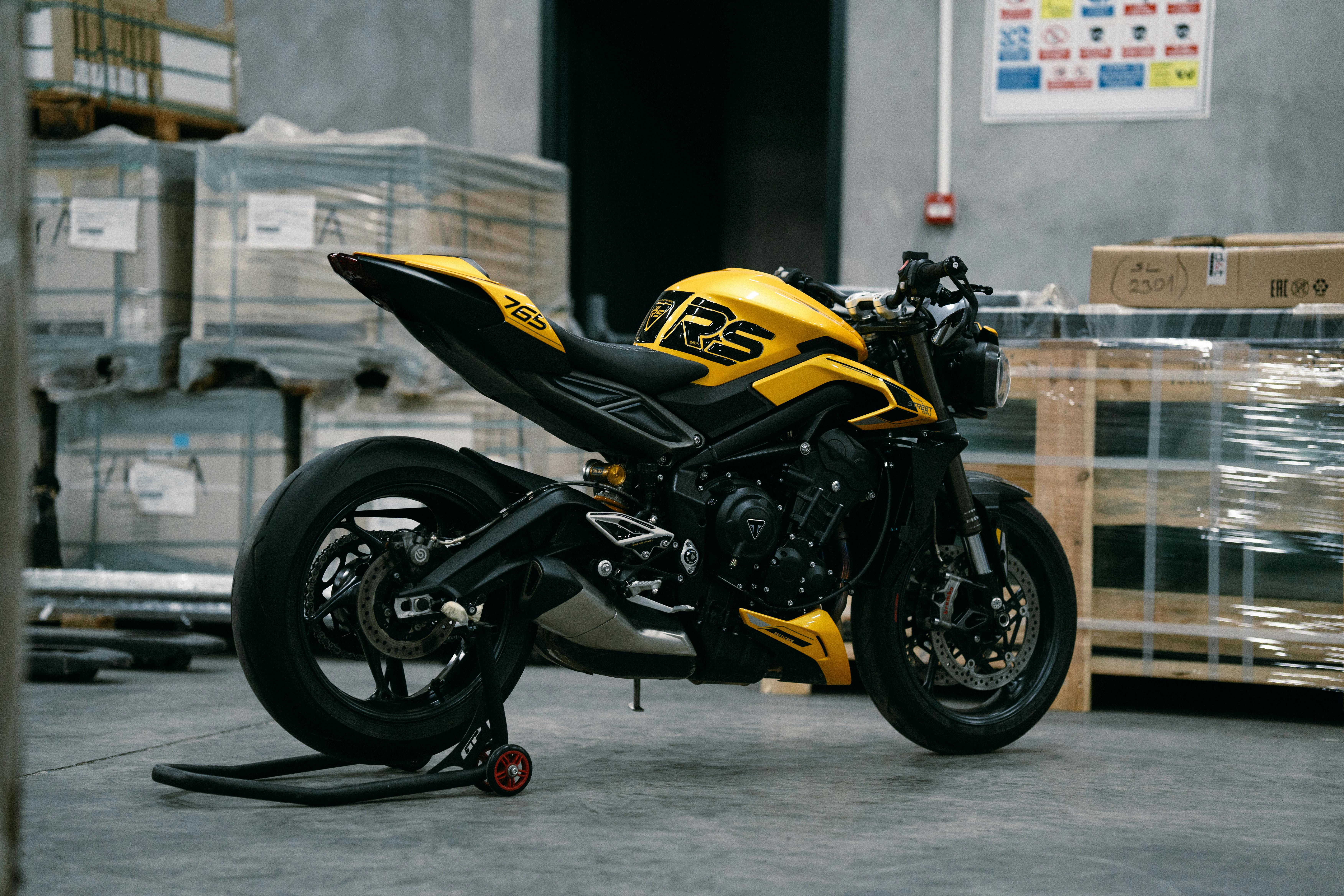
Long breaks from riding in the winter months, extended travel, whatever the reason, can do real damage to a motorcycle if you’re not careful about storage. And I’m talking especially to those of you with premium bikes: superbikes, classic investments, high-end EVs. Improper storage doesn’t just risk mechanical issues. It can genuinely tank the value of your machine in ways that far exceed what you’d spend doing things properly.
This guide gets into professional-grade storage strategies that actually account for the UK’s tricky climate. We’ll cover what you need to know for high-performance conventional bikes, electric models, and collector-grade classics.
Understanding the UK Storage Challenge
Here’s the thing about storing motorcycles in the UK: our climate isn’t doing us any favors. Humidity typically sits between 70-85%, and the temperature swings between seasons create condensation issues that, frankly, don’t happen in drier places. Even in a garage, you’re dealing with accelerated corrosion, fuel going off faster, and rubber degrading.
Then there’s E10 fuel, which became standard in 2021. Higher ethanol content means more aggressive degradation when your bike’s just sitting there. It’s why generic storage advice you might find online, often written for, I guess, California or somewhere, doesn’t quite cut it here.
Pre-Storage Preparation: The Foundation of Safe Storage
Fuel System Management
This one’s contentious, but here’s what works: for storage under six months, stabilizing the fuel beats draining it completely. Modern fuel injection systems are complex. You can’t realistically get all the fuel out, and running things dry can actually damage fuel pumps that need liquid for lubrication.
Go with a premium fuel stabilizer made for ethanol blends. Add it to a full tank; this minimizes air space and condensation. Run the engine for five minutes so the treated fuel circulates through the whole system. If you’re storing longer than six months, check what the manufacturer says. Some classics with carburetors, particularly those with brass or bronze components, might genuinely need complete drainage because ethanol can be brutal on them.
For electric motorcycle owners: None of this applies to you. Your focus is purely battery management.
Battery Preservation Strategy
Battery care is where you either set yourself up for success or end up buying a replacement. The approach shifts depending on what you’re riding:
Conventional motorcycles: For anything over a month, either pull the battery completely or hook it up to a quality smart maintainer, not a traditional trickle charger. Modern bikes with all their electronics can drain a battery in 2-3 weeks just sitting there doing nothing.
Electric motorcycles: Never store lithium batteries fully charged. It feels counterintuitive, I know, but optimal storage charge is 40-60%. Keep them somewhere temperature-controlled,d 10-20°C is ideal, and check the charge monthly. Both Tesla and Zero Motorcycles recommend this range, and when you’re looking at replacement costs of £5,000-15,000, it’s worth taking seriously.
For premium bikes with sophisticated electronics, you might actually want to keep the battery connected to a smart maintainer. It preserves electronic memory and saves you from annoying system resets.
Mechanical Protection Protocols
Oil and filter service: There’s a debate about whether to change oil before or after storage. For premium motorcycles, I’d say before. Used oil contains combustion byproducts and moisture that promote corrosion when things are sitting static. Fresh oil gives better protection to internal components.
Chain maintenance: Clean it thoroughly, apply heavy-duty chain lube. If you’re storing for six months or more and can access it mid-storage, consider reapplying.
Tire care: Inflate to the manufacturer’s maximum recommended pressure (not beyond), and get the bike on paddock stands so the tires aren’t touching the ground. This prevents flat-spotting, which is permanent deformation that can happen in just 4-6 weeks under load. No stands? Rotate the bike monthly to shift the weight distribution.
Brake system: Don’t engage the parking brake for long-term storage. Brake pads can actually seize to the discs, especially in humid environments. Use wheel chocks or stands for security instead.
Environment and Protection
Storage Location Selection
Climate control makes a massive difference. Professional facilities offer optimal conditions, but they’re expensive, £80-250 monthly in London. For home storage, think about:
- Dry, well-ventilated spaces rather than sealed rooms (ventilation stops condensation from building up)
- Detached garages over attached ones (better temperature stability)
- Getting the bike off concrete floors, if possible (moisture barrier)
- Security appropriate to what your bike’s worth (Thatcham-approved locks, anchors, CCTV)
Protective Covering
Covers do two jobs: keep dust off and manage moisture. But here’s where people often get it wrong.
Get a breathable cover designed for motorcycles. Never use plastic tarps; they trap moisture and basically create a greenhouse effect with condensation. Premium indoor covers with soft lining protect the finish while letting air circulate. For classics or investment-grade bikes, consider pairing an indoor dust cover with a dehumidifier rather than sealing everything up tight.
Place moisture-absorbing products around the storage area, such as silica gel and calcium chloride-based absorbers. Replace or regenerate them according to the manufacturer’s specs.
Category-Specific Considerations
Superbikes and Modern Sport Bikes
High-performance bikes with all their electronics, quick-shifters, and ride-by-wire systems need serious attention to battery maintenance. These systems draw power even when the bike’s off. Also, carbon fiber components (fairings, wheels, subframes) benefit from UV protection even indoors. UV degradation affects the composite bonding over time.
Classic and Vintage Motorcycles
Carbureted engines need different handling than fuel injection. Many experts lean toward complete fuel drainage for classics, especially those with brass or bronze carburetor bits that ethanol can corrode. Document everything you do during prep and keep those records with the bike; it’s valuable for authentication and resale value.
Rubber components age faster on classics. Seals, hoses, tires. Consider climate control investment proportional to what the bike’s actually worth.
Electric Motorcycles
Storage is simpler in some ways with EVs, no oil changes, no fuel system hassles. But battery management becomes everything. That 40-60% charge range, temperature-controlled environment, and monthly charge checks. Look up manufacturer-specific guidance because protocols vary. Some systems, like Zero Motorcycles, have storage modes that handle battery health automatically.
UK Legal and Insurance Framework
SORN and Insurance Optimization
If your bike’s off-road for extended periods, you can get a Statutory Off Road Notification (SORN) and eliminate road tax. But SORN still requires insurance or a formal declaration, something people often miss.
“Laid-up” or storage insurance policies give you fire, theft, and damage coverage at lower premiums than comprehensive road policies. For high-value bikes, this can mean significant annual savings while keeping protection. Just verify your storage location meets the insurer’s security requirements, particularly for anything valued above £10,000.
Security Standards
UK motorcycle theft rates are no joke. For premium bikes, go with layered security:
- Thatcham-approved locks and chains (minimum Category 3)
- Ground anchors wherever you’re storing
- Alarmed disc locks for more accessible spots
- CCTV or monitored alarms for valuable collections
Document everything for insurance. Many insurers have specific minimum security standards that need to be met for coverage to be valid.
The Reactivation Process
Bringing a properly stored bike back to service needs a methodical approach to avoid damage:
- Visual inspection: Look for moisture intrusion, rodent activity, and fluid leaks
- Fluid verification: Check all levels; inspect brake fluid color (darkening means moisture contamination)
- Battery reinstallation: If you removed it, reinstall and verify a full charge before starting
- Initial start: Let the engine warm fully before riding minimum of 5-10 minutes
- System verification: Test all controls, lights, and safety systems before hitting the road
- First ride protocol: Keep it short and gentle to verify brake performance, handling, and that everything functions properly
For bikes stored beyond six months, consider a professional inspection before you ride, especially for high-performance or vintage machines.
Professional Storage Versus DIY: The Value Equation
Deciding between professional facilities and home storage comes down to bike value, storage duration, and what your home environment’s actually like.
Professional climate-controlled storage gives you optimal conditions but runs £960-3,000 annually based on London rates. This makes sense for:
- Bikes valued above £20,000
- Classic or vintage machines where originality affects value
- Collections that need more security than you can provide at home
- Anyone lacking suitable home storage
Home storage works for most bikes when you follow proper protocols. The critical factors are environmental control, security, and systematic preparation.
Quality motorcycle storage and maintenance services offer middle-ground options, professional prep, and periodic maintenance checks while your bike stays in your own storage space.
Conclusion: Storage as Value Preservation
Proper storage goes beyond just protecting from the weather. It’s active value preservation. For premium motorcycles, the difference between systematic storage protocols and just parking it with a cover shows up in mechanical reliability, finish condition, and ultimately what you can sell it for.
The UK climate demands more than generic advice provides. Understanding fuel system chemistry, battery preservation science, and material vulnerabilities, this protects both immediate functionality and long-term investment value.
Whether you’re prepping a superbike for winter, securing a classic collection, or managing electric bikes, the principles stay consistent: eliminate moisture, prevent corrosion, maintain mechanical systems, and implement proper security. The time you invest in preparation pays back in preserved condition and trouble-free reactivation when riding season comes around again.
For those seeking professional climate-controlled storage facilities that understand the specific demands of premium motorcycles in the UK climate, expert services can provide the peace of mind that your investment remains in optimal condition throughout extended storage periods.


